Korea accepts the Elliott award: eight-year Samsung merger treaty claim ends with a USD 113 million payout
On 28 October 2026 Korea's Ministry of Justice said it will not challenge the 30 September 2026 remand award in favour of Elliott Associates in the High Court in London. The decision ends an eight-year KORUS FTA dispute and shows how seat, attribution and cost shape a State's choice.
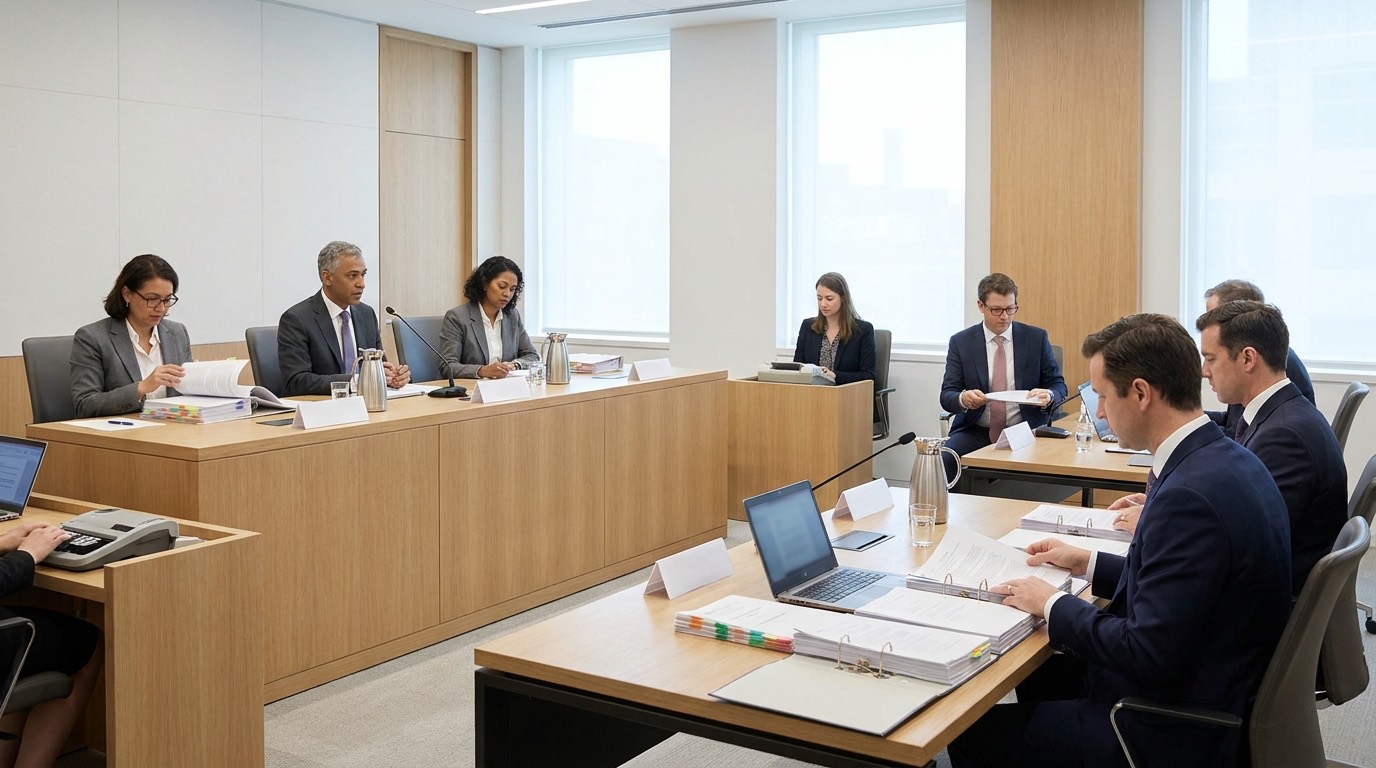
On 28 October 2026, the Republic of Korea's Ministry of Justice announced that Korea will not ask the High Court in London to set aside the remand award of 30 September 2026 in favour of Elliott Associates, and that it accepts the order to pay. The decision ends an investor-State claim under the Korea–US Free Trade Agreement (KORUS FTA) that was filed in July 2018 over the 2015 merger of Samsung C&T and Cheil Industries. This article is based on reports by Korea JoongAng Daily and Global Arbitration Review of 28 and 29 October 2026. The award and the English court judgments were not reviewed.
What was announced and how the case got here
Elliott was a Samsung C&T shareholder. It argued that the Korean government improperly interfered with how the National Pension Service (NPS) voted on the merger, and that it suffered losses as a result. The claim was administered by the Permanent Court of Arbitration. Elliott originally sought USD 770 million.
According to the press reports, the procedural history ran as follows.
- June 2023: the tribunal found the government liable. A corrected award in September 2023 set damages at USD 48.5 million.
- July 2023: the government applied to the High Court in London, the seat of the arbitration, to set the award aside.
- August 2024: the High Court dismissed the challenge.
- July 2025: the Court of Appeal sided with the government and sent the case back to the lower court.
- February 2026: the High Court overturned part of the award, ruling that the NPS was not a State organ. It upheld the tribunal's jurisdiction over the actions of then-President Park Geun-hye's office and of the Ministry of Health and Welfare. It remanded the case to the tribunal to decide, among other questions, whether those actions caused Elliott's losses.
- 30 September 2026: the same three arbitrators ruled that the government's actions had caused the losses, and again held Korea liable for USD 48.5 million plus interest.
The ministry said it had analysed the ruling, gathered opinions from other ministries, the law firms representing the government and outside experts, and weighed the chances of overturning the ruling against the cost of further litigation. The principal is USD 48.5 million (one report gives USD 48.49 million), plus late-payment interest and legal costs. Elliott said in a statement the same day that the total is USD 113 million. The government's release put it at 153 billion won, about USD 114 million. The reports do not explain the difference; exchange rates and interest accrual are a likely reason. The case closes eight years and three months after it was filed.
What it means for parties and counsel
The seat shaped the review
A London seat meant that the challenge was governed by English set-aside law and decided by the English courts, including their approach to the question whether the NPS was a State organ. The result, as reported, was a partial set-aside and a remand, not a full annulment. A party choosing a seat for a treaty claim is also choosing the court that decides how far the award can be reopened.
Attribution and causation are separate questions
The February 2026 ruling that the NPS was not a State organ cut one route to liability. It left the conduct of the presidential office and the Ministry of Health and Welfare in place, so the remand turned on causation. Counsel acting against a State should plan for more than one route to attribution. Counsel acting for a State should expect that a partial win on attribution can still leave a causation question to be argued again.
The cost of fighting on
The principal is USD 48.5 million. The total now reported is about USD 113 million to USD 114 million. Interest and legal costs have therefore more than doubled the principal over eight years. A government's decision to stop is itself a cost-benefit judgment, and the ministry framed it in those terms. Both sides should price interest and costs when weighing a settlement against a further round of proceedings.
Remand or a fresh proceeding
Here the case went back to the same three arbitrators, who issued a new award on 30 September 2026, rather than the parties starting again before a new tribunal. A party considering a set-aside application should ask whether a partial remand to the existing tribunal is a better outcome than a fresh proceeding, and what it would do if the tribunal reached the same result on the open questions.
Choosing a forum
This case shows that in a treaty claim the choice of rules and seat decides which courts review the award, on what law and how far. Those choices are best made at the outset, with the cost of a long tail of challenge proceedings in view. GIDI administers treaty-based and contract-based proceedings under the rules that the parties or the treaty name, including the UNCITRAL Rules, and its secretariat administers the case without deciding it, so the choice of rules and seat stays with the parties.