ICSID's record caseload and outcomes for fiscal year 2026: what the numbers say about risk, settlement and funding
ICSID's statistics for the year to 30 June 2026 report a record 363 administered cases, a 63% to 37% split between decisions and settlements, and damages in only 30% of decided cases.
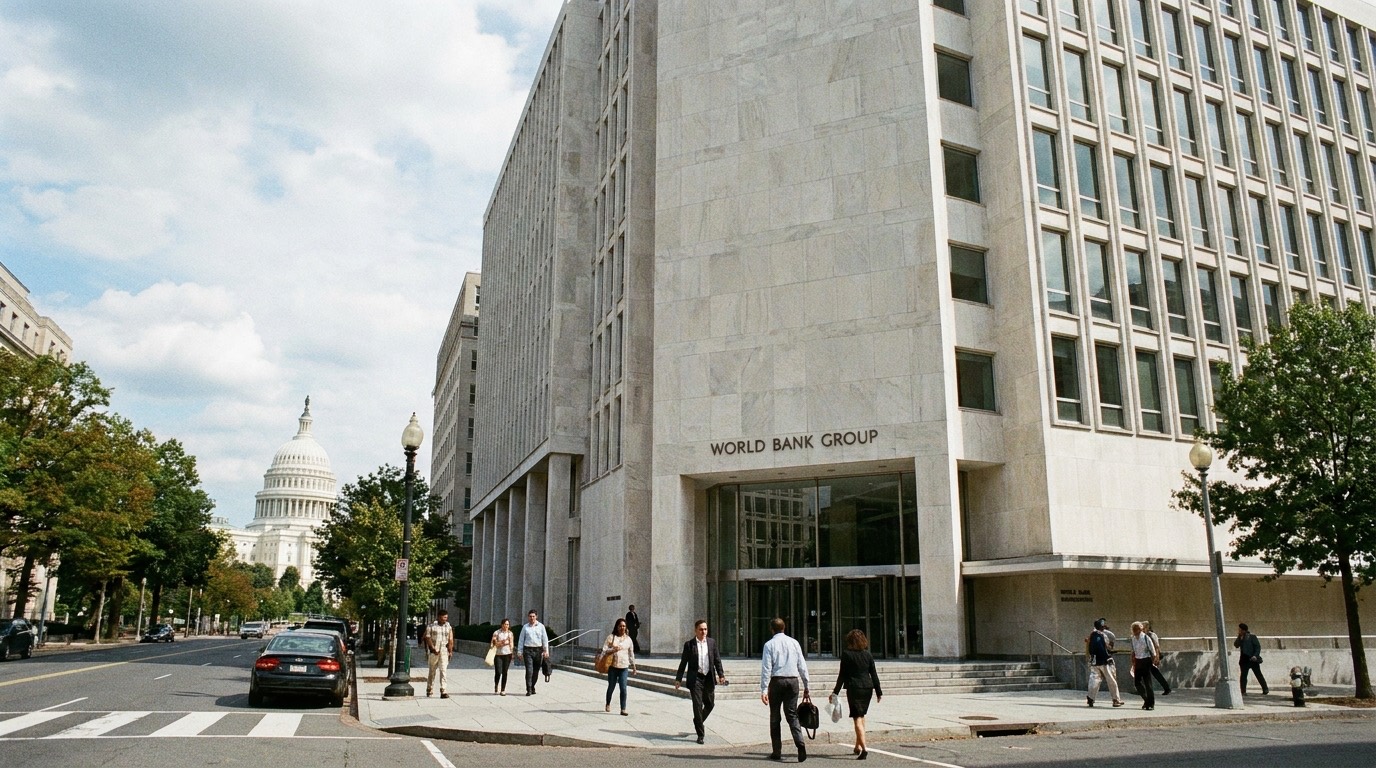
On 14 August 2026 ICSID released its caseload statistics for fiscal year 2026, which ran from 1 July 2025 to 30 June 2026. The centre reports that it administered 363 cases in the year, the highest number in a fiscal year in its history, and that it also served 15 cases under non-ICSID rules, including 12 under the UNCITRAL Arbitration Rules. Sixty new cases were registered, bringing the total registered under the ICSID Convention and the Additional Facility to 1,118. The figures concern investor-State disputes, but several of them are useful to anyone who has to estimate what a large arbitration will cost, how it is likely to end and who is paying for it.
What ICSID reports
Of the new cases, 62% rested on bilateral investment treaties, 24% on other international treaties, 8% on host State-investor contracts and 6% on domestic investment laws. Oil and gas accounted for 25% of new cases and mining for 18%. The most frequent respondent regions were South America (22%), Eastern Europe and Central Asia (20%) and Sub-Saharan Africa (20%), and 45% of investors came from Western Europe. Twelve per cent of newly registered cases disclosed third-party funding.
On outcomes, 63% of arbitrations concluded in the year were decided by a tribunal and 37% were settled or otherwise discontinued. Among tribunal decisions, claims were rejected on the merits in 40%, upheld in part or in full in 37%, rejected for lack of jurisdiction in 18% and dismissed for manifest lack of legal merit in 5%. No damages were awarded to claimants in 70% of decided cases. Among the remaining 30%, 14% were under USD 10 million, 8% between USD 10 million and USD 49 million and 8% above USD 50 million. In the year, three awards were below 10% of the amount claimed and five between 10% and 50%. Mediation remained marginal: one request under a pre-existing agreement to mediate and six requests under the rule allowing mediation without a prior agreement.
What it means in practice
The following points are our analysis. A single year's statistics from one institution say little about any individual case, and they relate to treaty and State-contract disputes rather than ordinary commercial arbitration. They do, however, illustrate patterns that matter to contract drafters and counsel.
- Winning on jurisdiction and losing on the merits are both common. Where a claim can fail at three different stages, parties should budget for the possibility that substantial costs produce no recovery, and should ask early whether a narrower, cheaper procedure could test the strongest point first.
- A large share of cases ends without a decision. More than a third of concluded cases settled or were discontinued. Parties that build a structured settlement window into the clause, such as a negotiation or mediation step with a defined timetable, give those outcomes a better chance of occurring sooner.
- Mediation is available but little used. Seven mediation requests against hundreds of administered cases suggest that parties tend not to reach for it unless the process points them there. A clause that requires or invites mediation at a set stage is more likely to be used than a generic reference to amicable settlement.
- Funding is increasingly part of the picture. With 12% of new cases disclosing third-party funding, parties should expect questions about who bears costs and who controls strategy. Contracts and procedural rules should settle disclosure and cost allocation in advance rather than leave them to be argued mid-case.
- Relief is rarely proportionate to the claim. The historical figures reported by ICSID show that a large share of awards come to well under half the amount claimed. Claim valuation should therefore allow for a range of outcomes rather than assume full recovery.
Designing a forum around the realistic outcome
For commercial parties, the lesson is to align procedure with the amount at stake and with the likely path of the dispute. Rules that permit early determination of weak points, a mediation step with a timetable, and a fee structure that grows with the amount in dispute allow parties to control cost and risk. Disclosure of funding and a clear cost-allocation rule should be agreed before a dispute exists.
GIDI publishes its fees, which scale with the amount in dispute with the administrative fee capped at CHF 50,000, and mediated settlements are enforceable under the Singapore Convention on Mediation.