Honduras becomes the 159th ICSID Contracting State: what the ratification means for investors and contract drafters
Honduras deposited its instrument of ratification of the ICSID Convention on 17 July 2026, and the Convention entered into force for it on 16 August 2026.
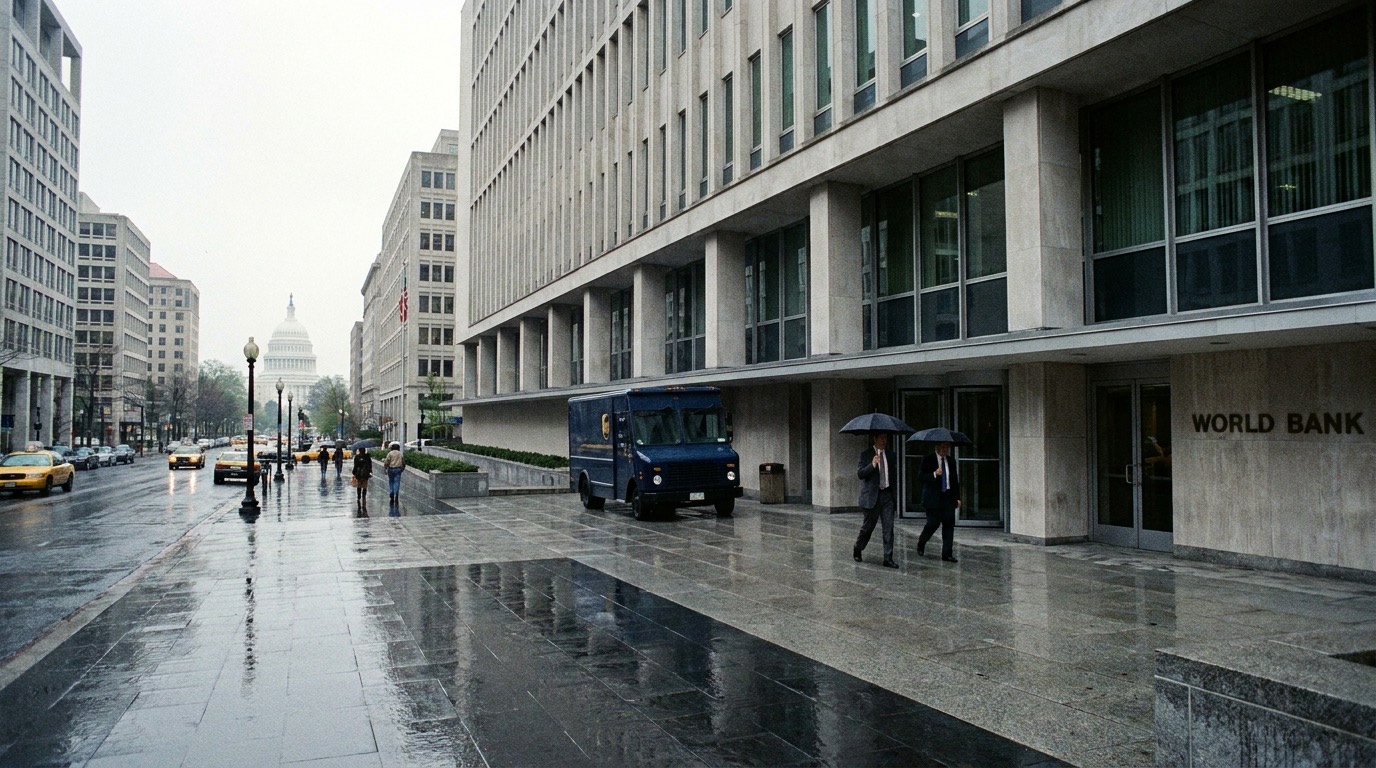
On 17 July 2026 Honduras deposited its instrument of ratification of the ICSID Convention with the World Bank, according to a release published by ICSID the same day. The Convention entered into force for Honduras on 16 August 2026, under Article 68(2) of the Convention, and Honduras became the 159th Contracting State. The step follows Honduras's signature of the Convention on 6 March 2026, when President Nasry Juan Asfura signed it in Washington, D.C. ICSID's release at that time counted Honduras as the 166th signatory State and 158 States as having ratified.
What ICSID has said
ICSID's release on the signature explains that signing is not full membership, and that upon ratification a State becomes a Member State with a seat on the Administrative Council, which governs ICSID. It adds that, once Honduras has ratified, the Honduran government and foreign investors in Honduras can use ICSID arbitration and conciliation, and that ICSID mediation is available at any time, either instead of or alongside arbitration. The release states that membership is voluntary and that States pay no fees to join or remain members. It also quotes President Asfura as describing the step in terms of rejoining ICSID, though the release does not set out the history behind that wording. We have relied on ICSID's published releases and have not reviewed Honduras's instrument of ratification itself.
What this means for investors and contracts
The following is our analysis, not reported fact. Membership of the ICSID Convention is a necessary condition for ICSID jurisdiction, but it is not sufficient on its own. A claim still needs a source of consent, which in practice means a treaty, an investment law or a clause in a contract with the State or a State entity. For an investor, ratification therefore changes the position only where such consent already exists or is added.
- Check which instruments now work with ICSID. Existing investment treaties, free trade agreements with investment chapters and statutory guarantees may refer disputes to ICSID. Investors should review whether those instruments, which named ICSID as an option, now function as written for Honduras, and should take local and international advice on timing and on any conditions attached to the consent.
- Write the consent into new contracts. Where a contract with a State entity is signed in Honduras after this date, the dispute resolution clause should say expressly whether disputes may go to ICSID, under which rules and in which language, and whether the State's consent is given in the contract itself. A silent clause leaves the question to later argument.
- Compare ICSID with commercial arbitration. ICSID awards are not subject to review by national courts at a seat. They are subject to a separate annulment procedure within ICSID, and ICSID Convention States are bound to recognise them. Commercial arbitration awards are enforced under the New York Convention and are open to set-aside at the seat. The two systems suit different contracts, and parties should decide deliberately which they want.
- Use the mediation option. Because ICSID mediation can be used alongside or instead of arbitration, an investment contract may usefully provide for a structured negotiation or mediation period before any claim is filed.
- Keep treaty structuring in view. The timing of an investment, the nationality of the investor and the terms of the relevant treaty all matter for treaty protection. Restructuring after a dispute is foreseeable can be challenged, so investors should look at protection at the time of investing.
It would be a mistake to treat the ratification as an automatic change in the rights of past investments. Whether and how a given investor benefits will depend on the instruments it relies on and on the facts of its case.
Choosing the forum where ICSID is not the answer
Not every contract with a State entity will, or should, go to ICSID. Smaller contracts, supply agreements and arrangements between private parties in a project chain often need a forum that is neutral, independent of both State and chamber-of-commerce affiliation, and able to apply rules the parties choose, including rules set by a treaty or by the contract itself.
For such disputes GIDI can administer arbitration under rules the parties select, seated in Geneva under Chapter 12 of the Swiss Private International Law Act, with awards enforceable under the New York Convention in more than 170 states.